
The thrill of winning
Winning at a casino generates a powerful emotional response, often described as euphoria or exhilaration. This reaction stems from the release of neurotransmitters in the brain, particularly dopamine, which is associated with pleasure and reward. When players win, whether it’s a small jackpot or a significant payout, they experience a temporary high that can create a desire to continue playing. In this context, many individuals find themselves drawn to activities like non gamstop casinos, which can be both entertaining and risky. This thrill can easily captivate both novice and seasoned gamblers, prompting them to chase that elusive feeling of victory.
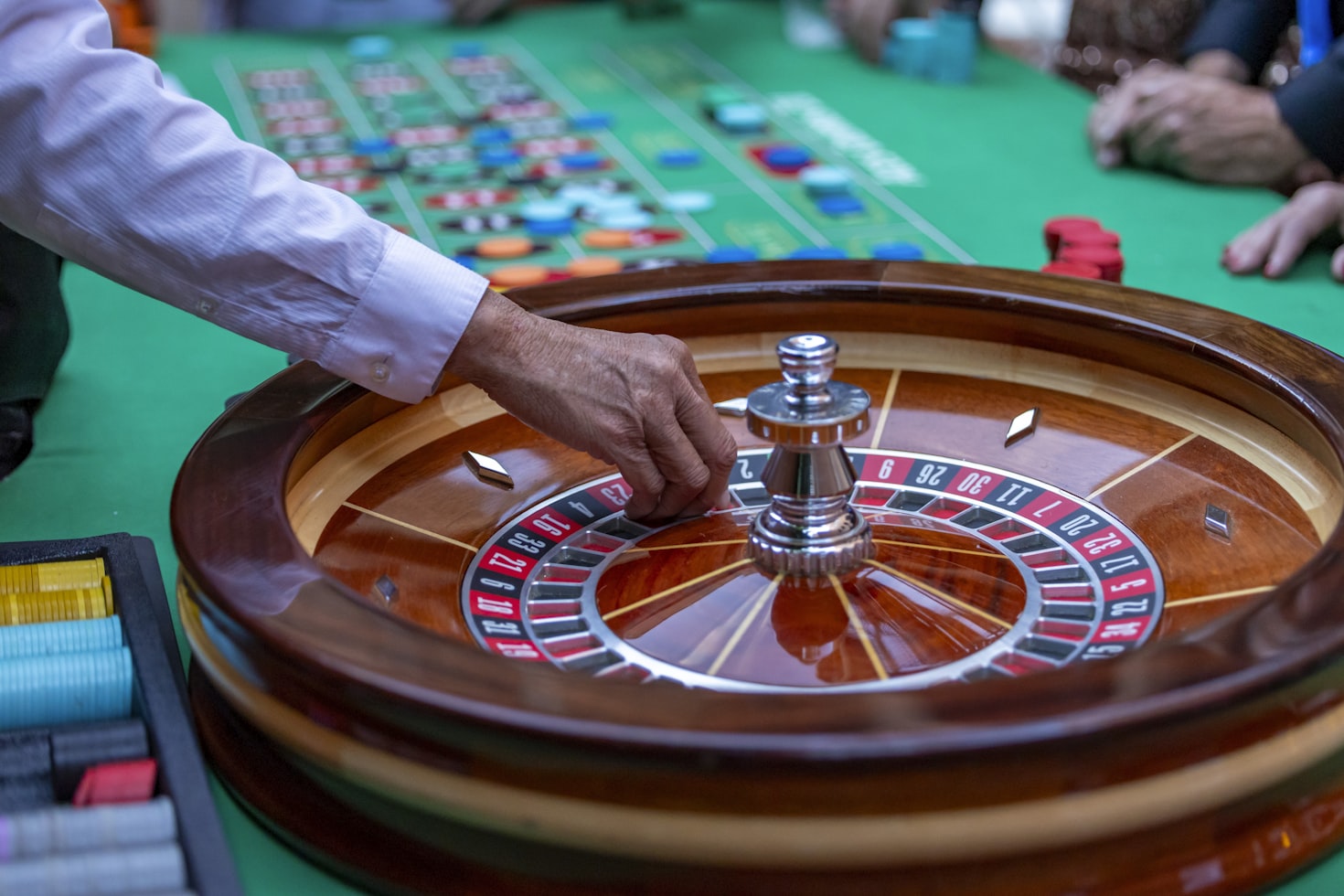
The psychology of winning is also linked to cognitive biases such as the “illusion of control.” Many players believe they can influence the outcome of games of chance, which can lead to greater engagement in gambling activities. This false belief often amplifies excitement and draws individuals deeper into the gaming environment, despite the fact that the odds are fundamentally stacked against them.
The emotional impact of losses
Conversely, losses can provoke feelings of frustration, anger, and even despair. The emotional toll of losing can affect a player’s mental state, leading to what psychologists call “loss aversion.” This principle posits that the pain of losing is more intense than the pleasure derived from winning the same amount. Thus, individuals may irrationally chase their losses, trying to recover what they have spent, which can lead to a cycle of increased gambling and greater financial risk.
Additionally, losses can trigger a sense of shame or embarrassment, especially when individuals must confront their gambling behavior. This negative emotional feedback can drive some players into isolation, compounding their issues rather than prompting them to seek help or reassess their gambling habits.
The role of cognitive biases
Cognitive biases significantly influence how players perceive their gaming experiences. One common bias is the “gamblers’ fallacy,” where individuals believe that past events affect future outcomes. For instance, if a particular slot machine hasn’t paid out recently, players might feel it is “due” for a win, prompting them to invest more money. This misconception can lead to overconfidence and greater financial losses.
Another bias is the “sunk cost fallacy,” where players continue to gamble based on what they have already invested rather than rational decision-making. This can exacerbate financial losses as individuals throw good money after bad in hopes of recouping lost funds, demonstrating how psychological factors can significantly impact gambling behavior.
The impact of environment and social factors
The casino environment is designed to amplify feelings of excitement and engagement. Bright lights, sounds of jingling coins, and the presence of other eager players create an atmosphere that enhances the thrill of gambling. This sensory overload can lead to prolonged gambling sessions, often obscuring the players’ awareness of time and money spent. The social aspect of gambling also plays a pivotal role; individuals may feel pressure from friends or peers, which can influence their betting behaviors and decision-making.
Moreover, the narrative of winning or losing is often reinforced through social channels, such as stories of successful jackpots shared among friends or online forums. This reinforcement can create unrealistic expectations and drive individuals to partake in gambling activities more frequently, perpetuating both the excitement of potential wins and the risk of devastating losses.

Contributing to a responsible gaming environment
Understanding the psychology behind casino winnings and losses is crucial for promoting responsible gaming practices. By acknowledging emotional triggers and cognitive biases, casinos and players alike can work toward creating a healthier gambling environment. Educational initiatives that inform players about the risks associated with gambling can help mitigate some of the negative psychological effects, empowering individuals to make informed choices.
Through awareness and engagement, we can foster a more responsible gaming culture. This not only benefits the players but also contributes to the sustainability of the gambling industry as a whole. Encouraging self-reflection and support networks among players can further enhance their experience and help reduce the impact of harmful gambling behaviors.